This post may contain affiliate links. Please read my privacy policy.
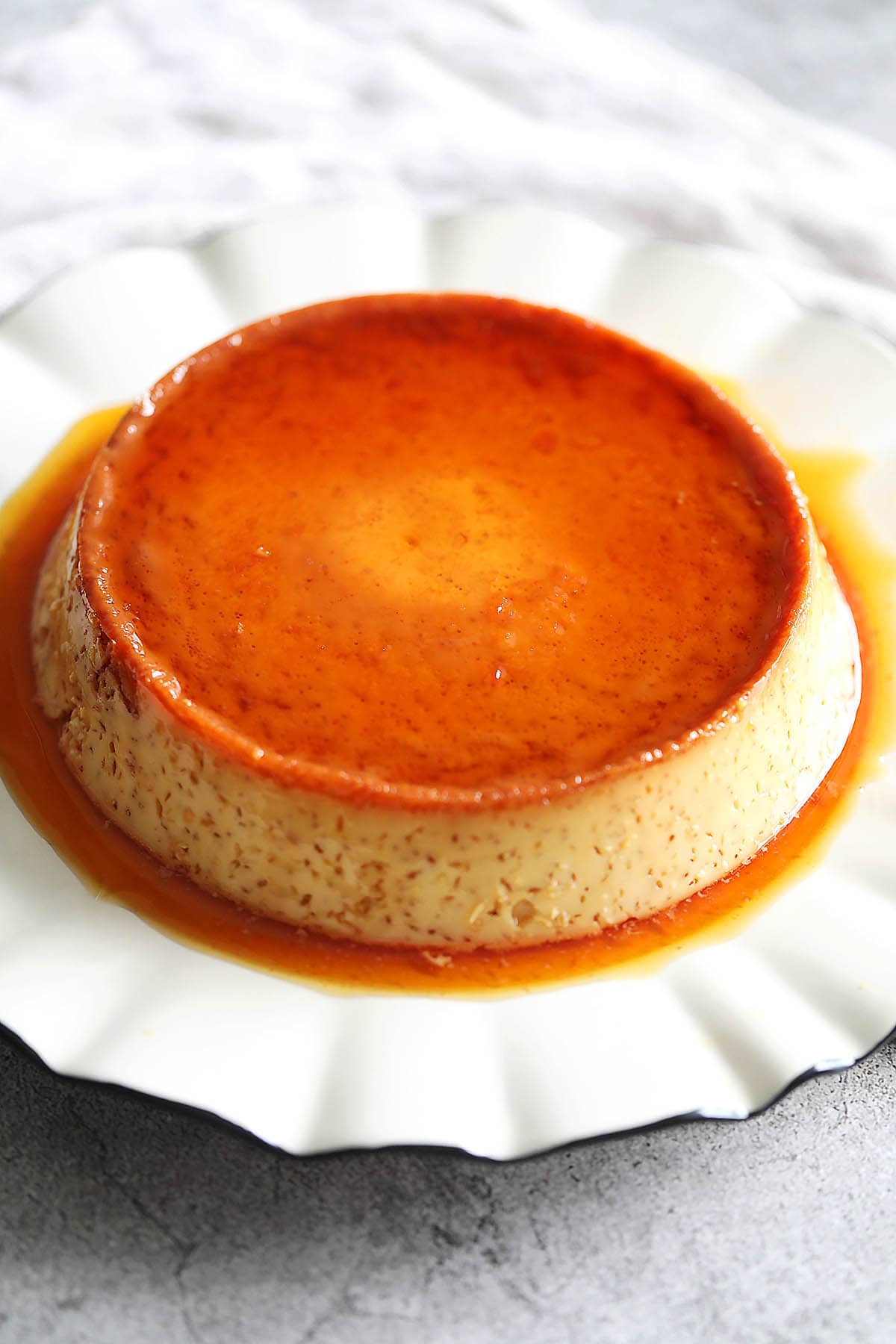
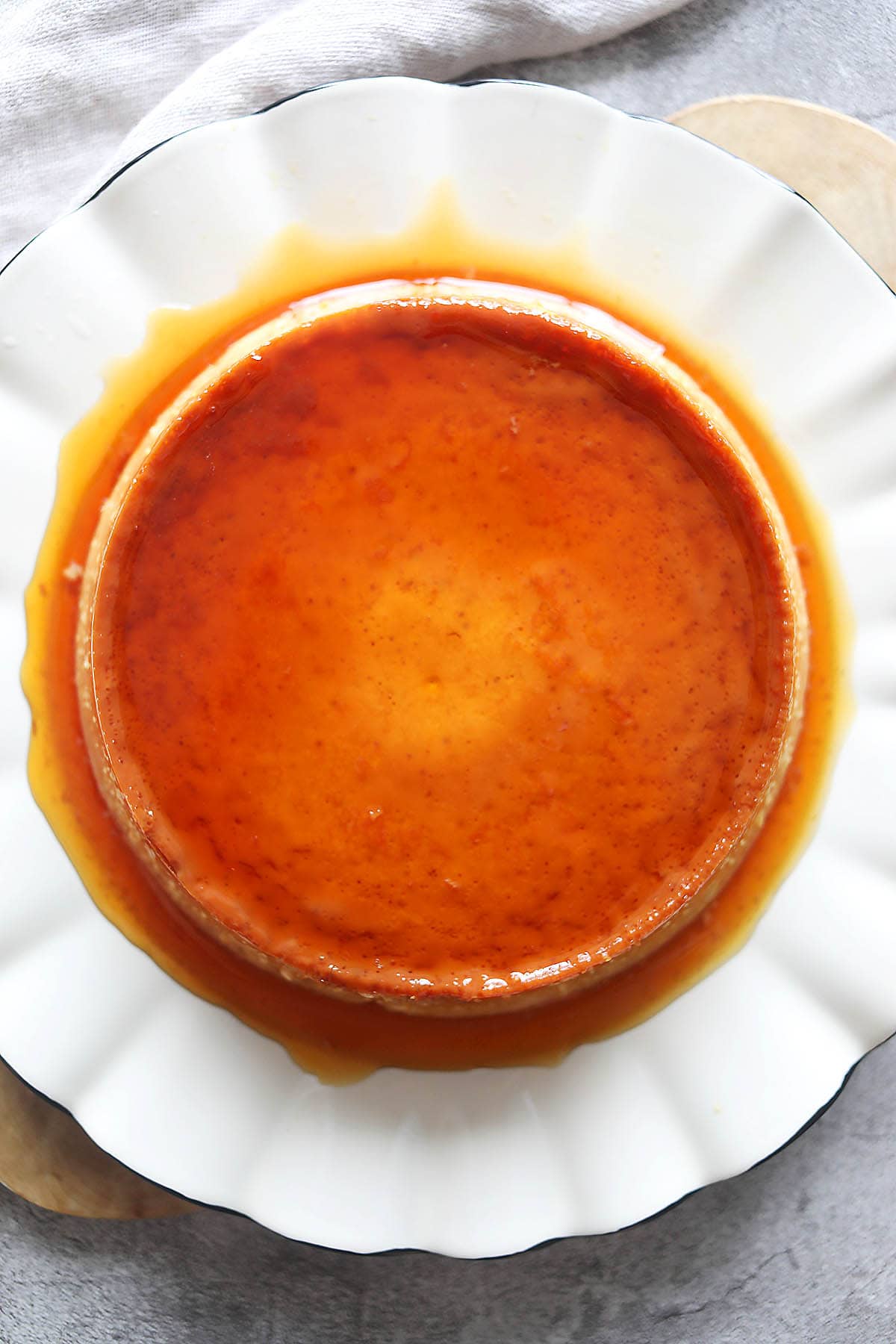
This Venezuelan quesillo recipe combines a rich caramel base with a creamy, 6-ingredient egg custard steamed to perfection. Made in two 6-inch pans, it is an easy make-ahead dessert that comes together smoothly for any occasion.
Recipe Summary
- 🔪 Prep Time: 15 minutes
- 👨🍳 Cook Time: 1 hour
- ⏱️ Total Time: 10 hours 15 minutes (Includes cooling & chilling)
- 🍽️ Servings: 16 slices
- 🏷️ Calories: ~186 calories
- 🍳 Cook Method: Steam or Bain-Marie (Bake)
- ✨ Flavor Profile: Rich, dense, and velvety with sweet vanilla and a dark amber caramel glaze
- 🧩 Difficulty: Easy (Perfect for make-ahead desserts)
SUMMARIZE AND SAVE THIS CONTENT ON
Quesillo Recipe
If you have always wanted to make flan at home but felt intimidated by it, this quesillo recipe is the best place to start. Traditional flan can be a bit finicky at home, but this Venezuelan version is much more beginner-friendly, firmer in texture, and pleasantly sweeter thanks to a sweetened condensed milk base. It is no surprise it recently turned into a viral dessert hit in Malaysia, with long queues popping up at street stalls for a slice.
Because it uses whole eggs, the custard sets up reliably well without feeling overly delicate. Instead of using a traditional quesillera mold, this recipe uses two standard 6-inch cake pans in a regular steamer. Steaming on low heat gives you complete control, guaranteeing a rich set with those signature air pockets that absorb the golden caramel syrup. Whether you are recreating that viral street food hit at home or making a sweet treat ahead of time, this post walks you through every step to get a clean flip every time.
If you want a detailed breakdown on getting your caramel right, check out my How To Make Caramel post for extra tips.
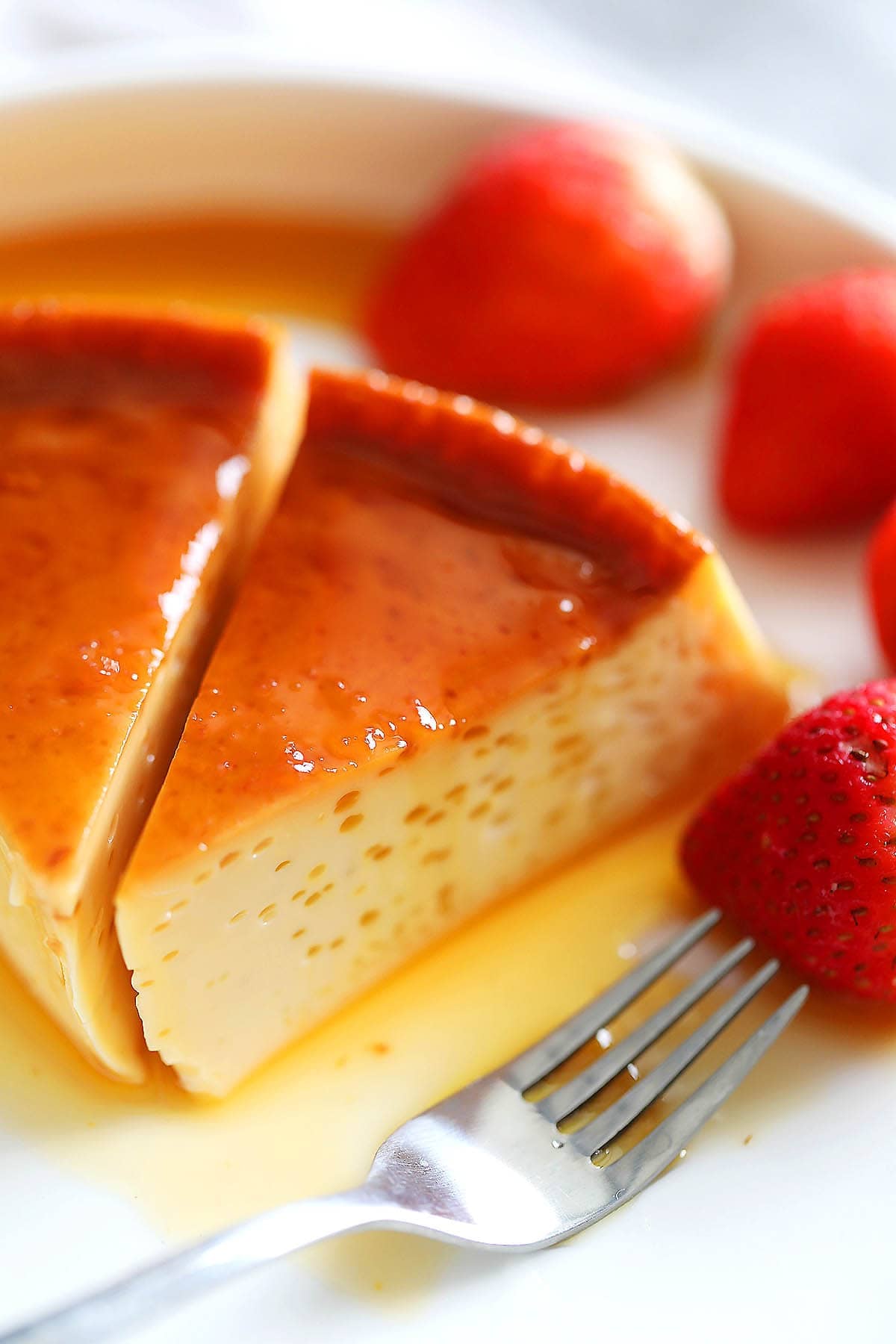
Sidenote: The name quesillo translates directly to “little cheese” in Spanish. It earned this nickname because as the whole eggs steam, tiny steam bubbles form inside the batter, leaving behind signature air pockets that resemble the holes in Swiss cheese.
Quesillo vs Flan
While all three desserts share a caramelized sugar topping and a rich custard base, key differences in ingredients and cooking methods set them apart:
- Venezuelan Quesillo: Made with whole eggs, sweetened condensed milk, and evaporated milk. Steaming it on the stovetop creates signature tiny air pockets that soak up the liquid caramel syrup, giving it a firm, sweet finish.
- Filipino Leche Flan: Very similar to quesillo in its use of sweetened condensed milk, but much richer, denser, and smoother. It relies almost entirely on egg yolks rather than whole eggs and is traditionally steamed in an oval tin (llanera) without air pockets.
- French Flan: The original template for both, but made with whole milk or heavy cream, sugar, and a mix of whole eggs and extra yolks. It is baked gently in an oven water bath (bain-marie), giving it a delicate, silky set without the heavy condensed milk sweetness.
Ingredients You’ll Need
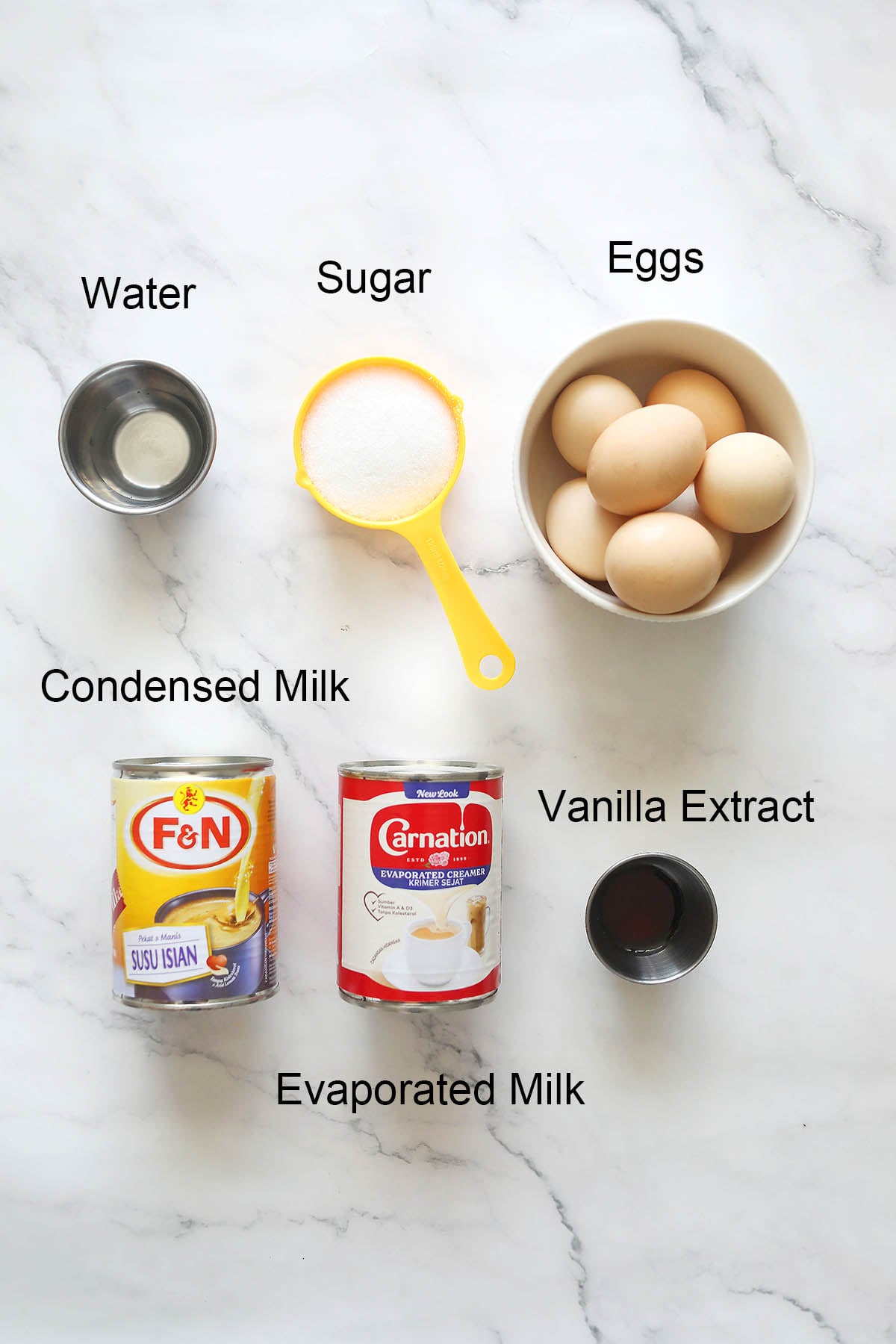
- Eggs
- Condensed milk
- Evaporated milk
- Vanilla extract
See the recipe card below for all the ingredient details and exact measurements.
Pro Tip #1: Whole Eggs For A Reliable Set
Whole eggs give the custard a stable set and light lift. Use room-temperature eggs so they blend easily without creating excessive foam.
Pro Tip #2: Sweetened Condensed Milk For Richness
Sweetened condensed milk is the heart of quesillo, giving it a deep sweetness and firm texture. Check the label to make sure whole milk or milk solids are the main ingredient and avoid products labeled as “filled milk” or made with palm oil, as they will not set properly.
Pro Tip #3: Evaporated Milk To Balance The Custard
Evaporated milk thins out the heavy condensed milk for a smooth batter while keeping the flavor rich. Check the label to make sure it is real unsweetened evaporated dairy milk, as “filled milk” made with vegetable oil will dilute the rich flavor.
Pro Tip #4: Pure Vanilla Extract For Balance
A splash of pure vanilla extract cuts through the rich eggs and dairy, rounding out the sweet caramel with a warm aroma. If you do not have pure extract on hand, vanilla essence works as an easy 1:1 substitute.
How To Make Quesillo
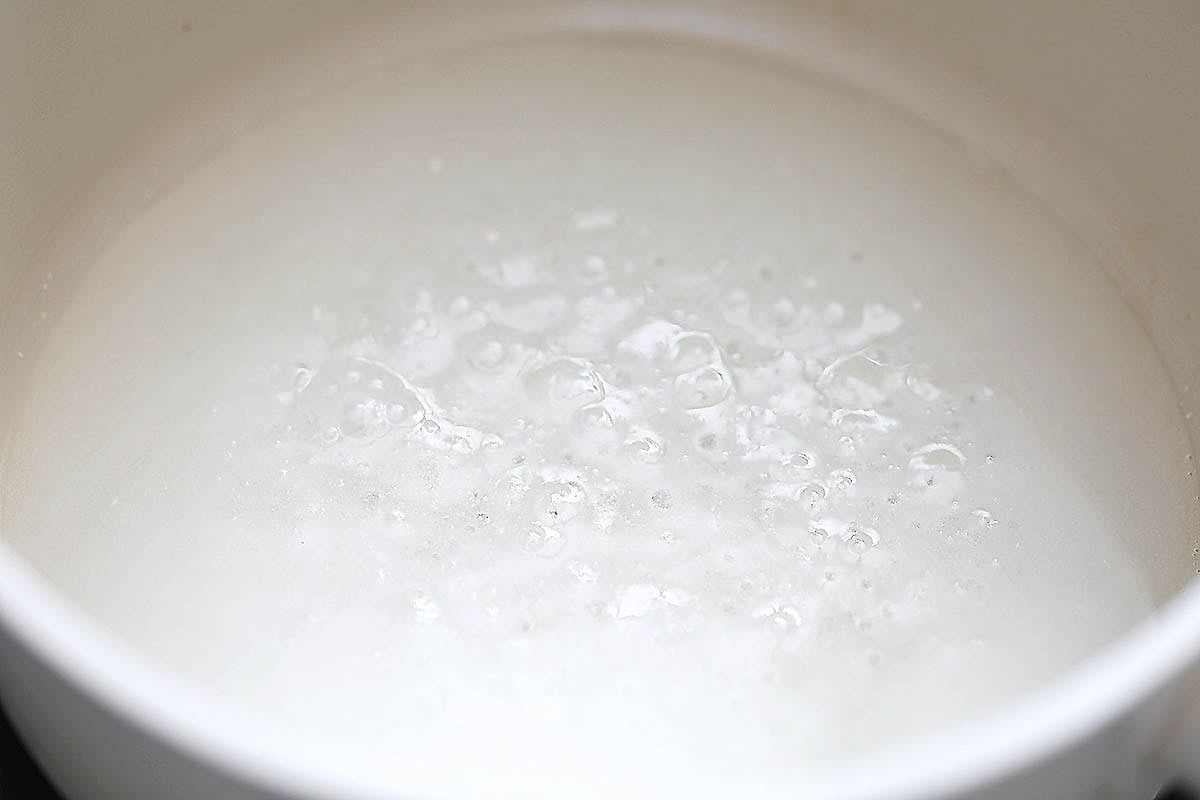
Add your sugar and water into a small saucepan and set it over low heat. The absolute golden rule here is to step back and resist the urge to stir it with a spoon.
Pro Tip: Stirring wet sugar causes it to crystallize and clump up. Just let the gentle heat do all the work to dissolve it smoothly.
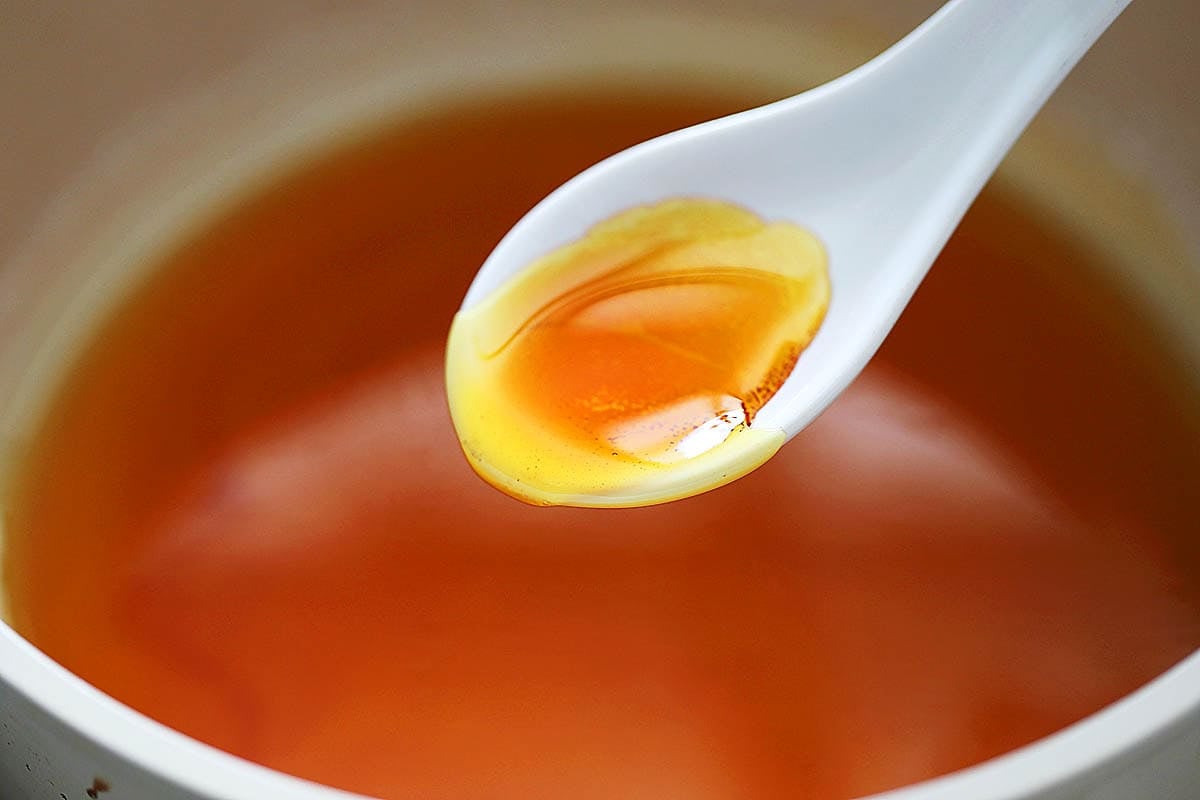
Let the mixture come to a gentle boil. Instead of stirring, just grab the pan handle and give it a gentle swirl every now and then until the liquid reaches a beautiful golden amber color, then take it right off the heat.
Pro Tip: Keep your eyes glued to the pan once it starts changing color. Caramel can go from a perfect golden amber to burnt and bitter in a matter of seconds.
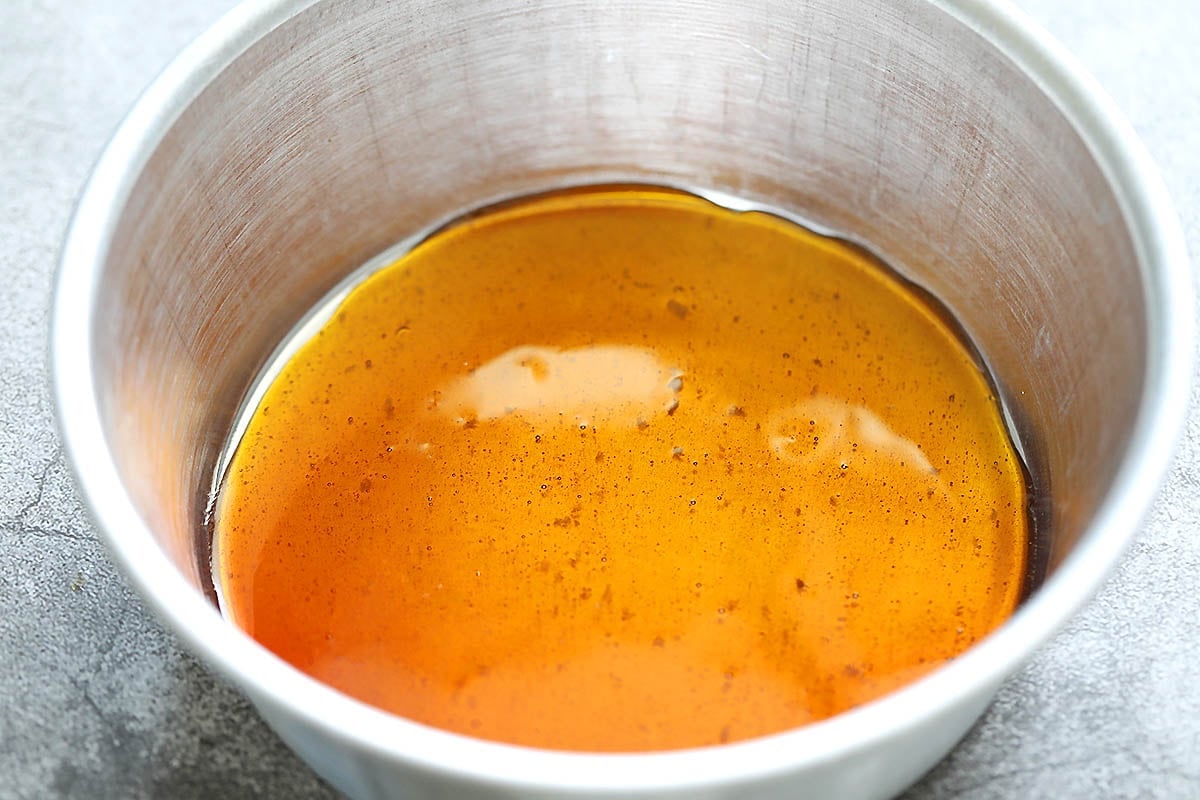
Work quickly and pour that hot liquid caramel evenly into your two 6-inch round cake pans. Carefully tilt and swirl each pan around so the caramel completely coats the bottom before it hardens up.
Pro Tip: The metal cake pans will get incredibly hot the exact second the caramel hits them. Always use oven mitts or a thick kitchen towel to hold the rims while you swirl.
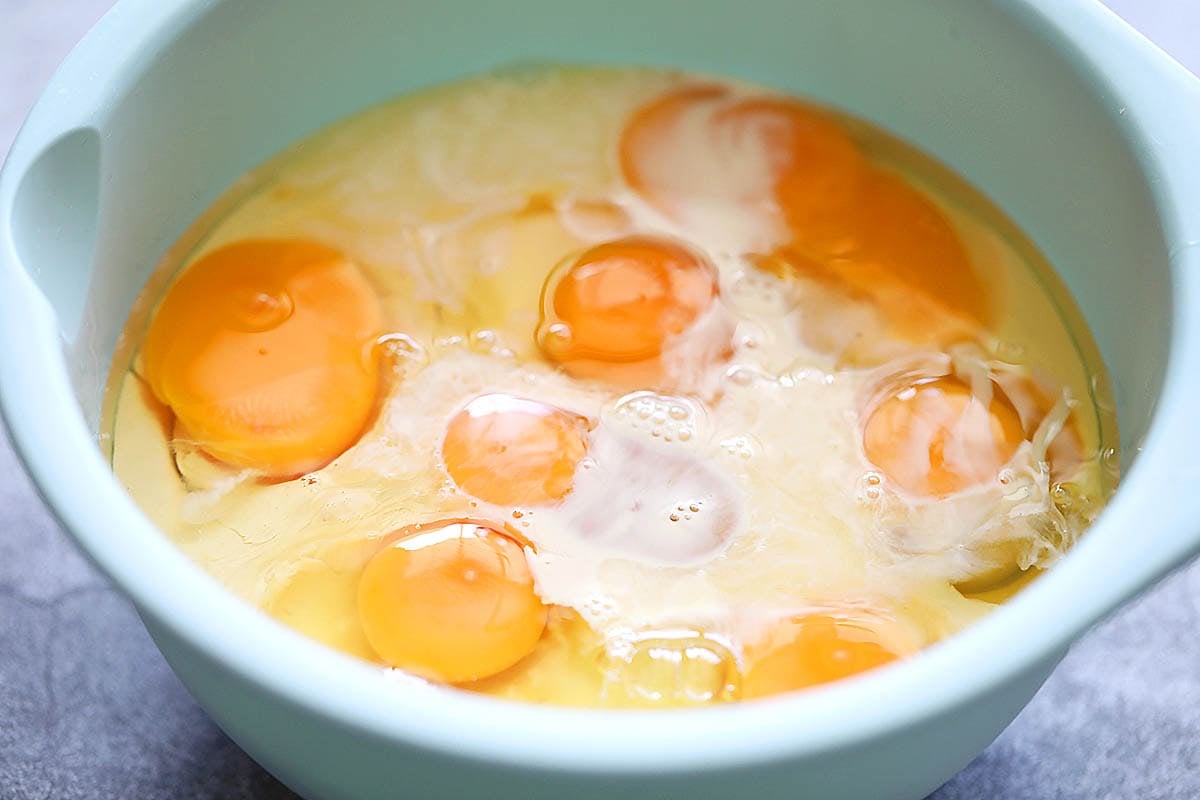
Grab a large mixing bowl and crack in your eggs. Pour in the sweetened condensed milk, the evaporated milk, and a good splash of your vanilla extract.
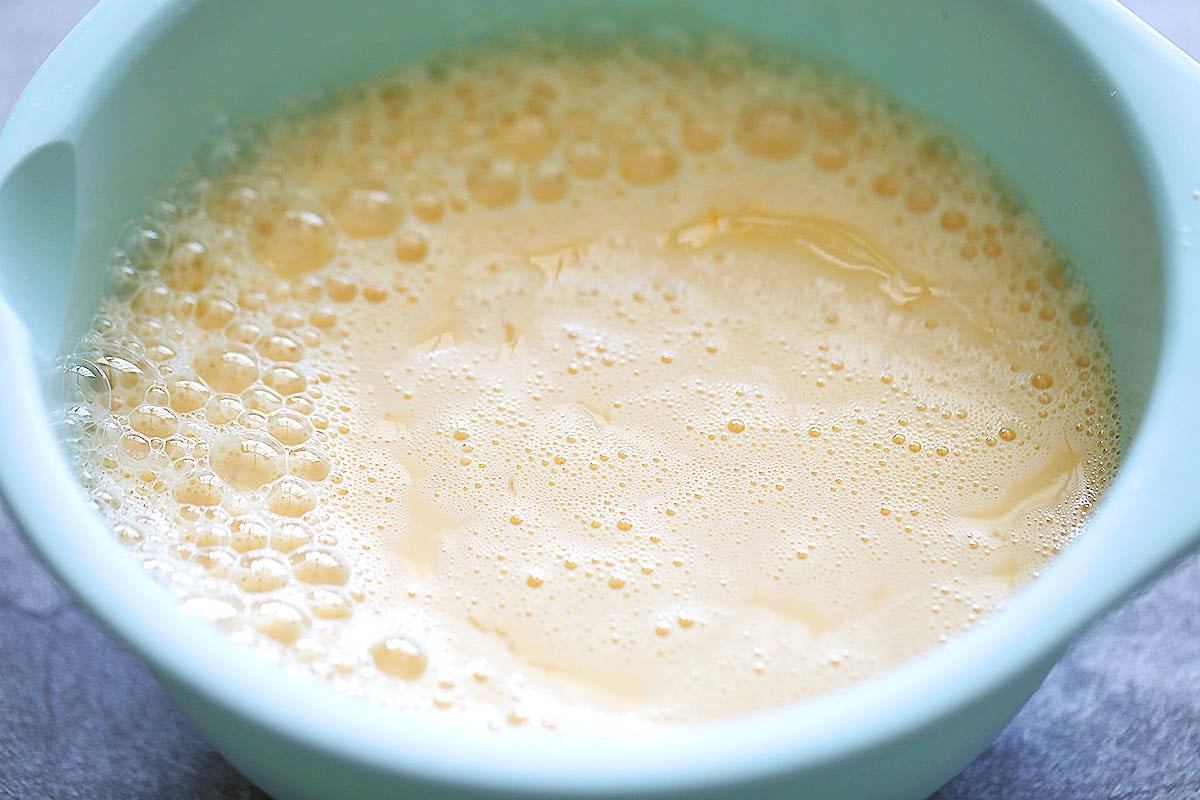
Use a hand mixer, a blender, or even just a trusty wire whisk to beat the mixture together. You are just looking to get everything completely smooth and well combined.
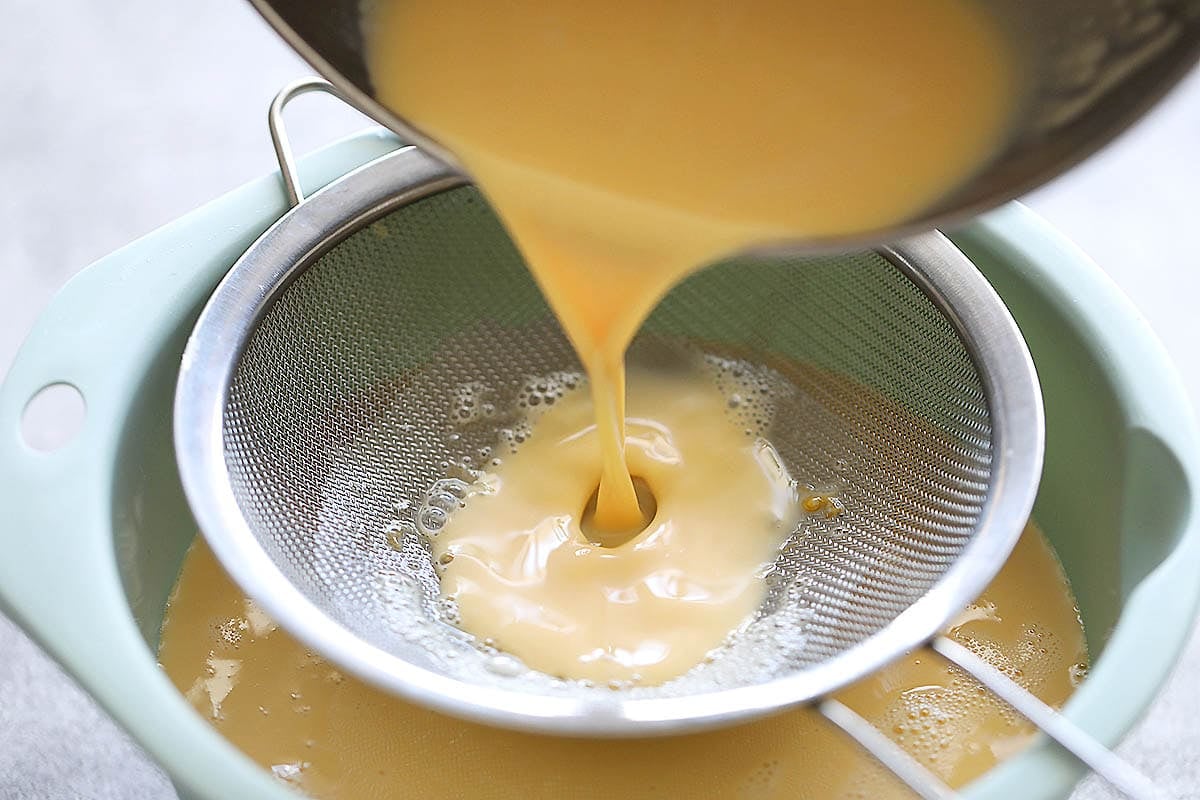
Pour the mixed custard batter through a fine mesh strainer into a clean bowl, and then strain it one more time just to be absolutely safe.
Pro Tip #1: Do not skip this double straining process. It catches those stubborn, stringy bits of egg white that did not blend in fully, ensuring your final dessert is incredibly silky.
Pro Tip #2: If you prefer a smoother quesillo without the little holes, let the custard rest for 10–15 minutes before pouring. Give the filled pans a few gentle taps to release any air bubbles before steaming.
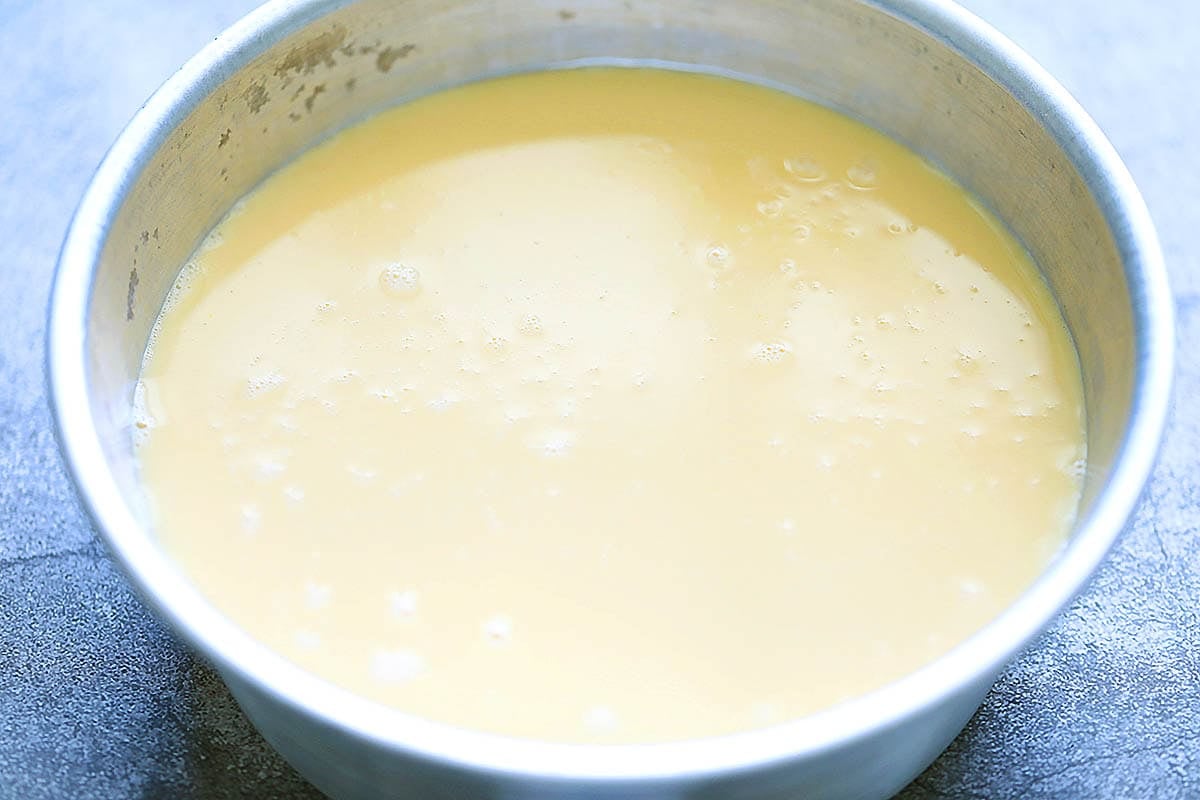
Take your smooth, strained custard and divide it evenly between the two cake pans, pouring it right over your hardened caramel base.
Pro Tip: Pour the liquid slowly and close to the pan. Pouring too aggressively from high up can introduce unwanted air bubbles onto the surface.
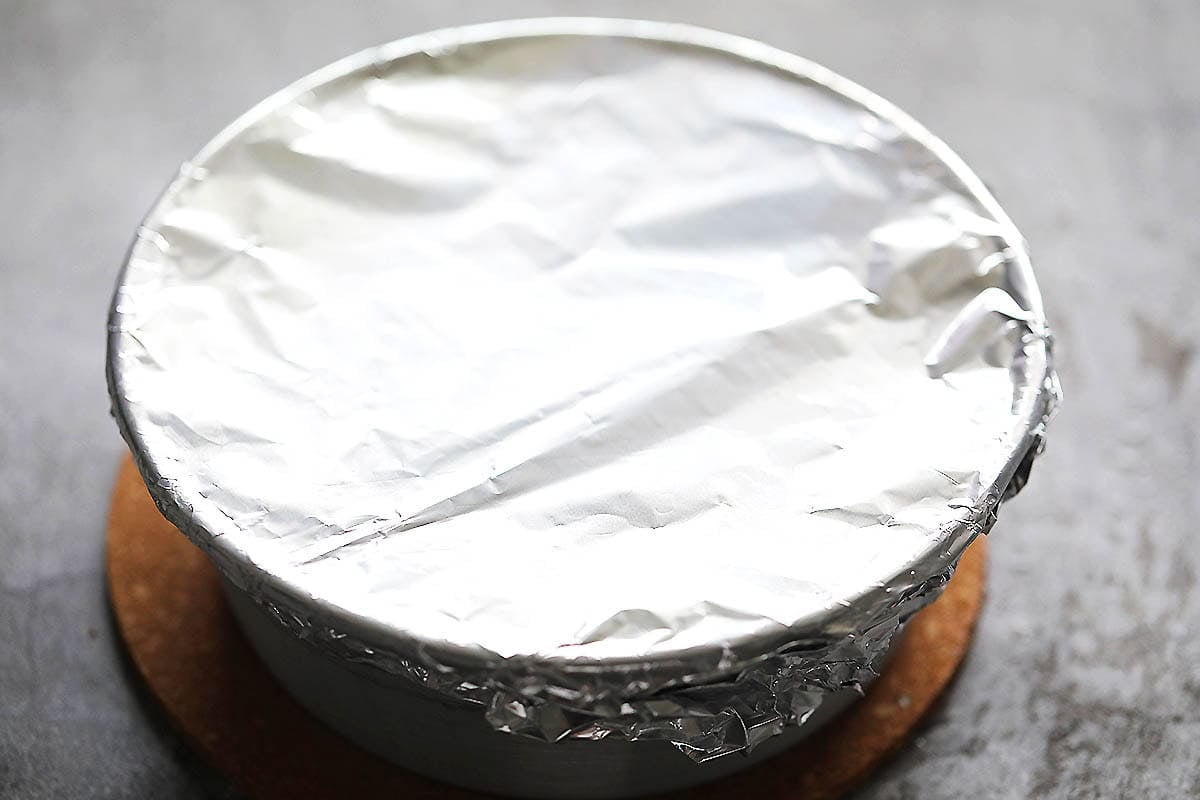
Grab some aluminum foil and cover both cake pans completely. Crimp the foil down tightly around the edges to lock it in place.
Pro Tip: A tight foil seal is crucial to prevent steamer condensation from dripping into your dessert. Water droplets falling into the batter will create soft, soggy spots on top of your quesillo.
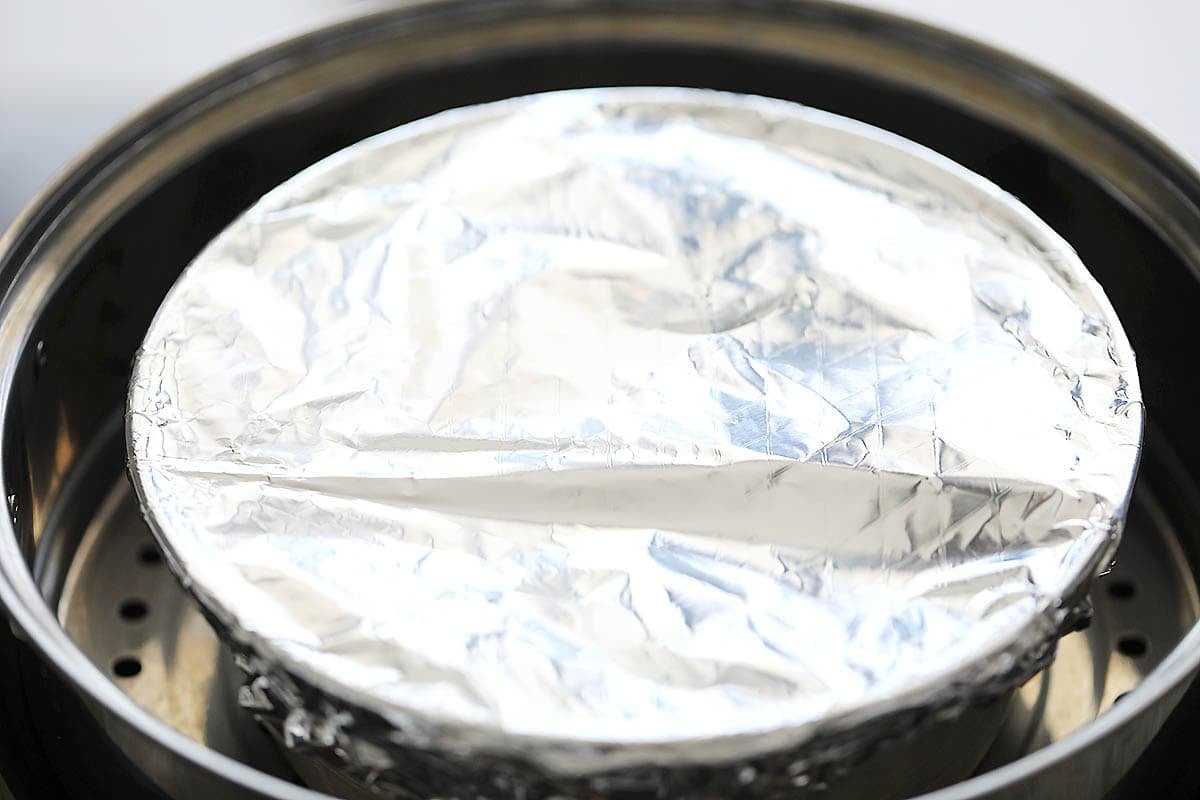
Set the sealed pans into your steamer and make sure your heat stays on low. Let them steam gently for an hour, or until the centers are fully set but still have a slight, gentle jiggle when you tap the pan.
Pro Tip: Check the water level in your steamer at the 30-minute mark. If it is running low, top it up with boiling water from a kettle so you do not drop the steaming temperature.
Carefully lift the cake pans out of the steamer and let them cool at room temperature for 2 to 3 hours, then refrigerate for at least 6 hours, preferably overnight.
Pro Tip: Chill time is non-negotiable here. A thorough chill gives the custard time to firm up fully so it holds its shape cleanly, while letting the hardened caramel dissolve into a rich liquid syrup.
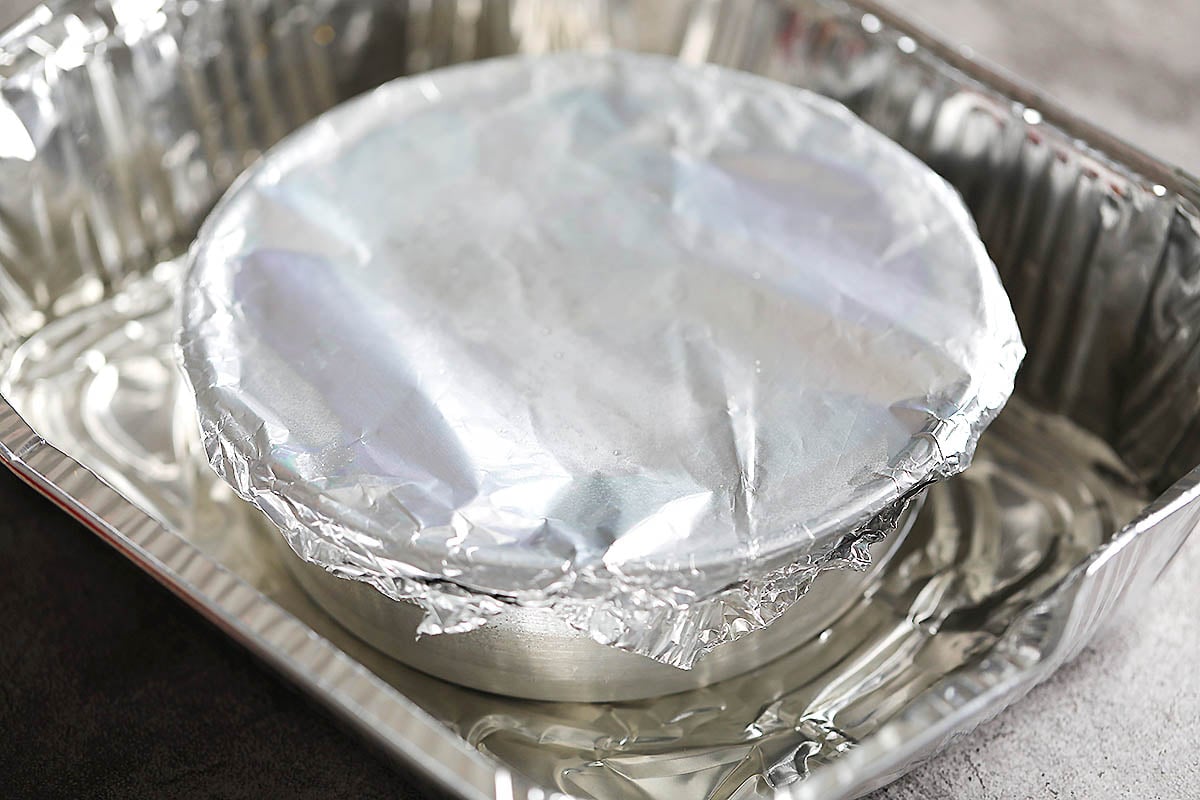
When you are ready to serve, fill a shallow dish with warm water and set the bottom of each cake pan in it for 10 to 20 seconds.
Pro Tip: This gentle warmth softens the hardened caramel layer at the bottom of the pan just enough, ensuring the quesillo slides out smoothly without sticking or tearing.
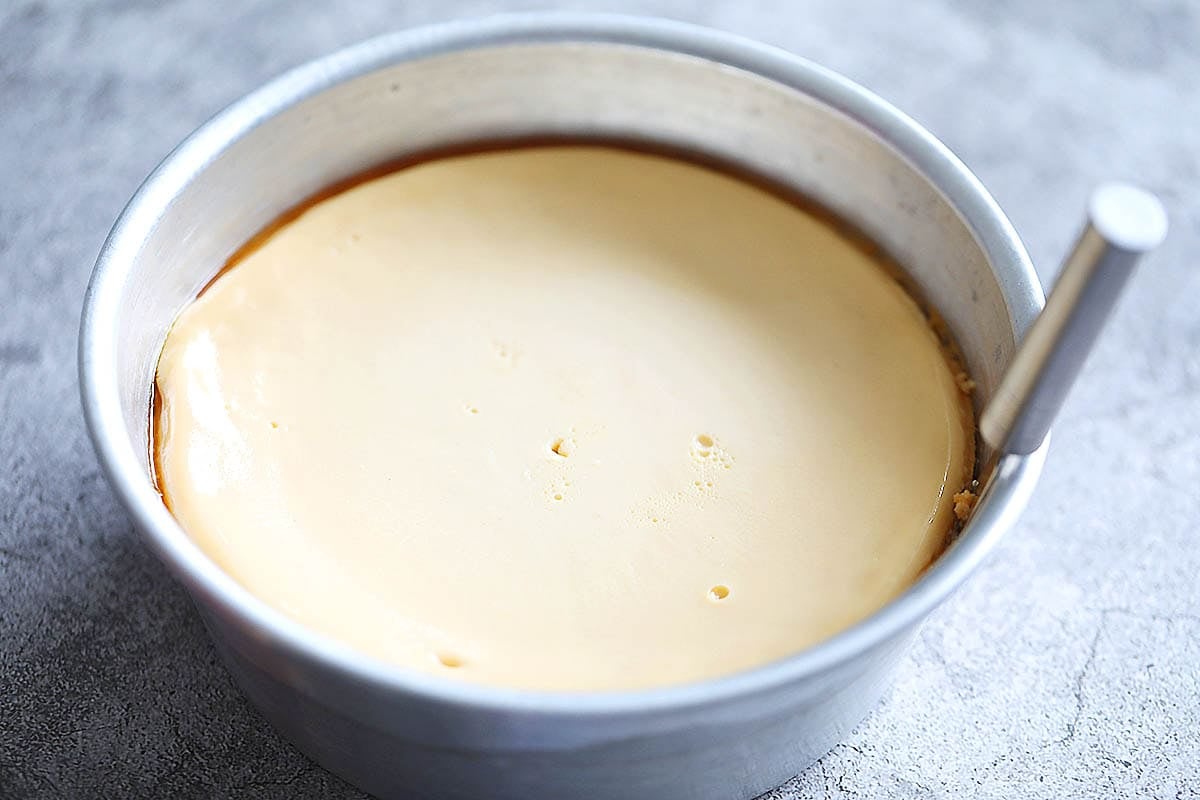
Take a thin, sharp knife and carefully trace around the inner rim of the cake pan to release the sides of the custard.
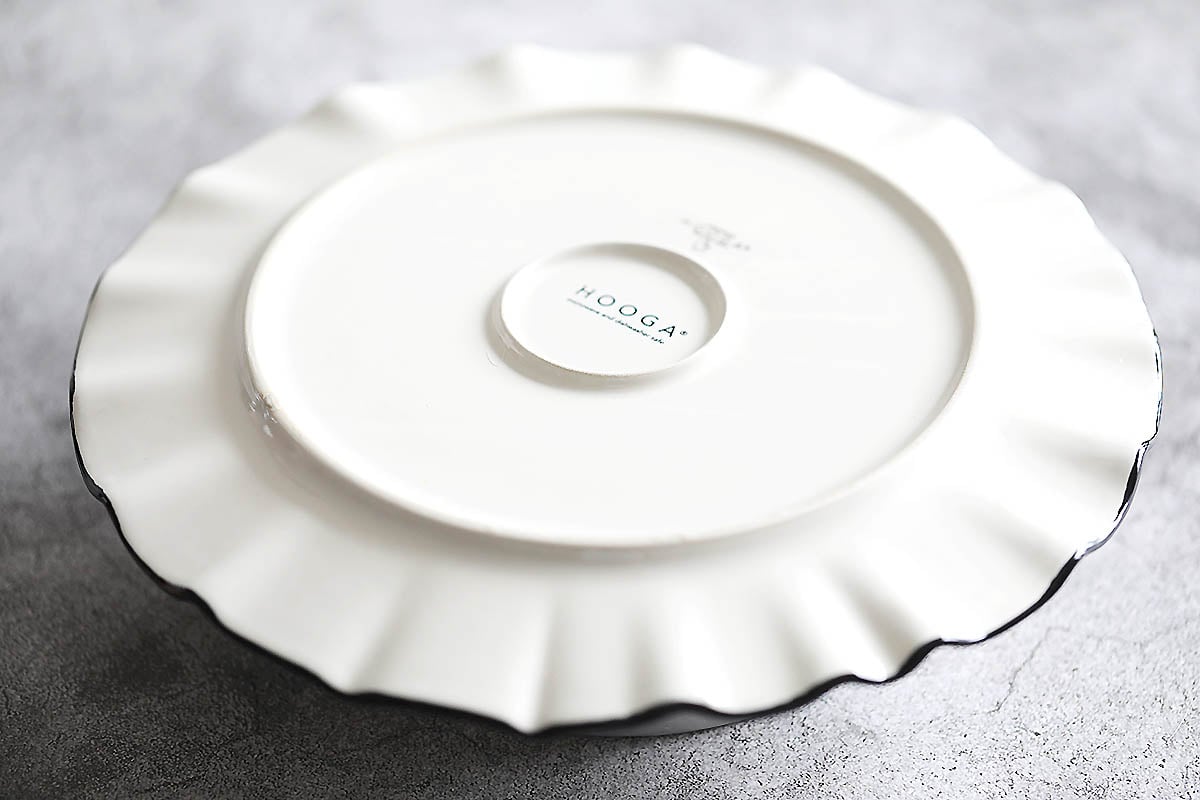
Place a serving plate upside down over the top of the cake pan.
Pro Tip: Always use a plate with a decent lip or raised edge. The melted caramel will flood out as a liquid syrup the second you lift the pan, and a flat plate will lead to syrup all over your counter.
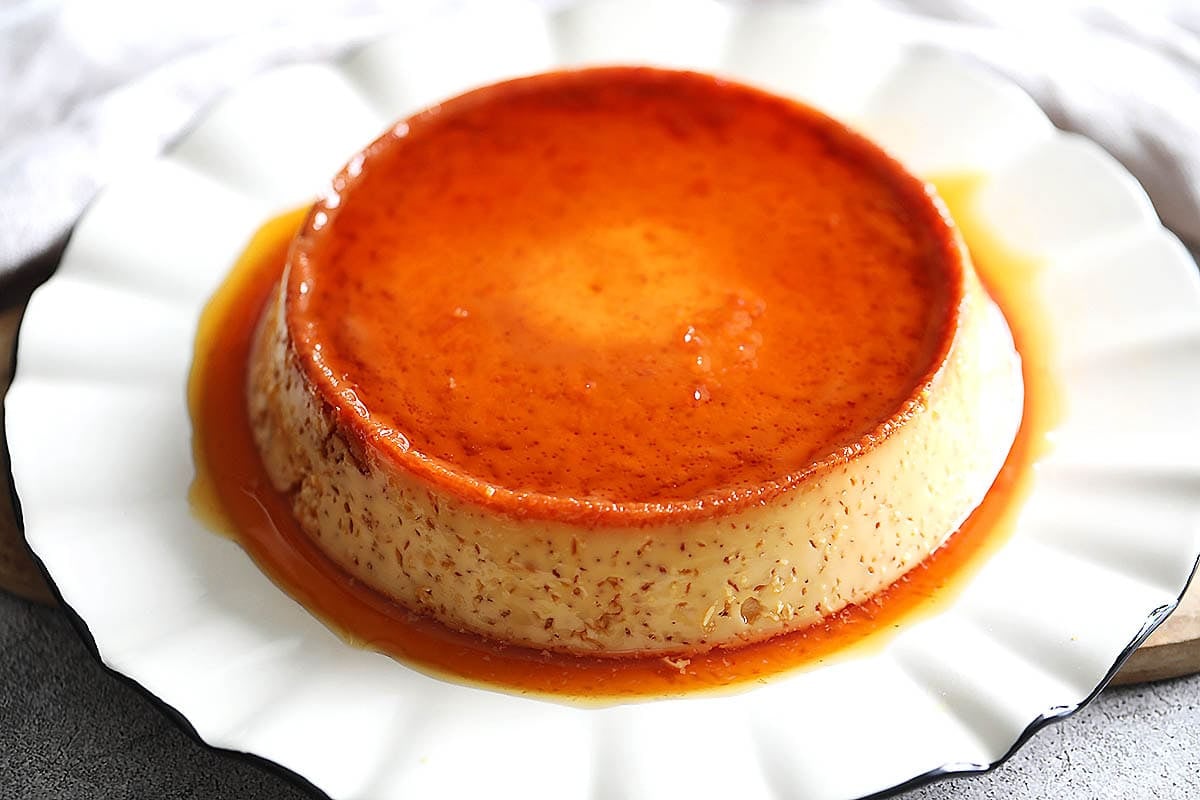
Hold the plate and pan firmly together with both hands, swiftly flip them over, and lift the pan away. Slice each quesillo into 8 neat wedges, spooning any extra caramel syrup from the plate right over the top of each slice.
Frequently Asked Questions
Full-fat sweetened condensed milk is best for this recipe. Skimmed versions contain higher water content and lack the milk fats needed to create a rich, firm structure, which can leave you with a loose or watery custard.
Yes. Place your foil-covered cake pans inside a larger baking dish and fill the outer dish with hot water until it reaches halfway up the sides. Bake at 350°F (180°C) for 60 minutes until set.
Overcooking or steaming over high heat causes the egg proteins to tighten up too much. Always keep your steamer at a low, gentle simmer so the custard cooks slowly and stays tender.
Stored tightly in an airtight container, it stays fresh in the refrigerator for up to 5 days. The flavor and syrup actually improve after the first day.
Freezing is not recommended. Freezing breaks down the egg and dairy emulsion, which releases moisture and leaves you with a watery, grainy texture once thawed.
This recipe is 186 calories per slice.
Other Dessert Recipes You Might Like
I hope you enjoy this post as much as I do. If you try my recipe, please leave a comment and consider giving it a 5-star rating. For more easy and delicious recipes, explore my Recipe Index, and stay updated by subscribing to my newsletter and following me on Facebook, Pinterest, and Instagram for new updates.
Prevent your screen from going dark
-
Make the caramel by adding the sugar and water to a saucepan over low heat. Do not stir.
-
Bring the mixture to a gentle boil. Swirl the pan occasionally as needed and cook until the caramel turns golden amber. Turn off the heat.
-
Immediately divide the caramel between two 6-inch (15 cm) round cake pans. Carefully swirl each pan to evenly coat the bottom. Set aside.Pro Tip: Use oven mitts when swirling the caramel in the cake pans, as the pans will get very hot.
-
In a large bowl, crack the eggs. Add the condensed milk, evaporated milk, and vanilla extract.
-
Mix until smooth and well combined using a hand mixer. You can also use a blender or whisk by hand.
-
Strain the custard mixture twice for a smooth texture.Pro Tip: For a smoother quesillo without a ruffled texture, let the custard sit for 10–15 minutes. Pour into the cake pans, then gently tap the pans to release any remaining bubbles.
-
Divide the custard mixture evenly between the two prepared cake pans.
-
Cover the cake pans tightly with aluminum foil, crimping the foil around the edges to seal it.
-
Place the cake pans in a steamer and steam over low heat for 1 hour, or until the custards are set with a gentle jiggle in the center.
-
Remove the cake pans from the steamer and let the quesillo cool at room temperature for 2–3 hours. Cover and refrigerate for at least 6 hours, preferably overnight.
-
When ready to serve, place the bottom of the cake pans in a warm water bath for 10–20 seconds to loosen the caramel.
-
Run a thin knife around the edges of the quesillo to loosen it from the pan.
-
Place a serving plate over the cake pan. Carefully flip the pan over and lift it away. Slice each quesillo into 8 pieces and serve.
Serving: 16slices, Calories: 186kcal, Carbohydrates: 26g, Protein: 7g, Fat: 6g, Saturated Fat: 3g, Polyunsaturated Fat: 1g, Monounsaturated Fat: 2g, Trans Fat: 0.01g, Cholesterol: 89mg, Sodium: 93mg, Potassium: 217mg, Sugar: 26g, Vitamin A: 246IU, Vitamin C: 1mg, Calcium: 163mg, Iron: 0.4mg
Nutrition information is automatically calculated, so should only be used as an approximation.
Nuoroda į informacijos šaltinį